
TSW… Is it real?
The short answer is… Yes! Topical Steroid Withdrawal (TSW) can be a really challenging journey, and we’re here to help you understand it better. This condition is…
Read the article →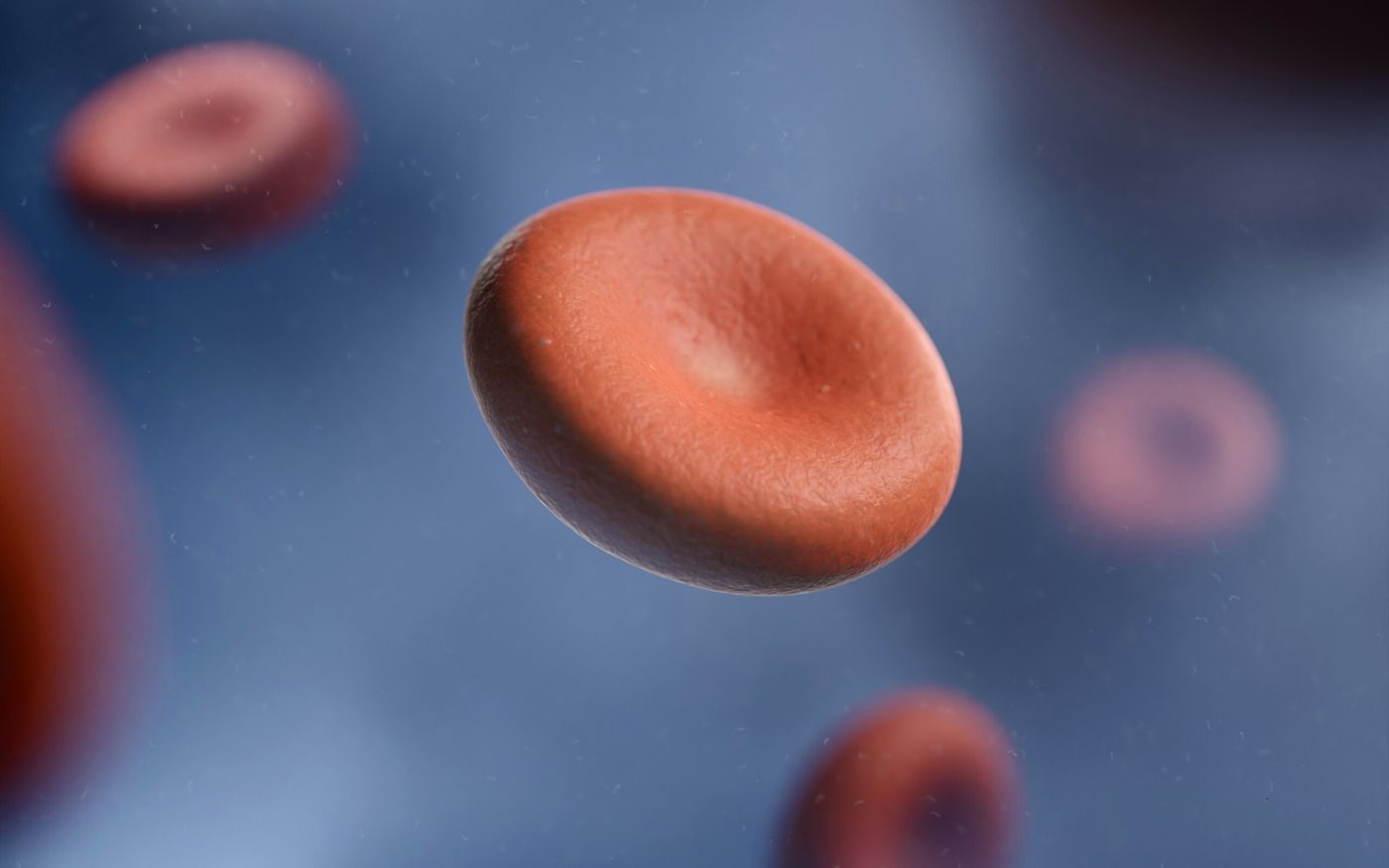
It might sound surprising, but your iron levels can play a significant role in managing eczema symptoms. While iron deficiency isn’t the direct cause of eczema, it can certainly fuel the fire of inflammation and worsen your skin over time.
Think of it this way: iron is crucial for a balanced immune system. Research even suggests that iron deficiency during pregnancy can increase a child’s risk of eczema, and both children and adults with allergies are more prone to anaemia.
Why is this? Iron directly impacts certain white blood cells called mast cells, which are key players in allergic reactions. When you have enough iron, it helps keep these mast cells from overreacting and releasing excessive histamine – a major trigger for skin irritation and itchiness.
In simple terms, low iron can crank up your body’s allergy response and inflammation, making your eczema symptoms more intense. What’s more, constant inflammation can make it harder for your body to absorb iron, and persistent itching and bleeding from eczema can even lead to iron loss. It’s a tricky cycle that can leave your skin feeling perpetually irritated!
While it’s easy to get your iron levels checked by your doctor, understanding why they might be low is crucial for effective natural treatments. Here are some common culprits:
Simply increasing iron intake with food or supplements might not be enough if an underlying issue, like a parasite, is present. At Waterwell Clinic, we focus on identifying the root cause of your iron imbalance to provide the most effective natural treatments for your skin.
Interestingly, having too much iron can also lead to dry, itchy skin! Conditions like thalassemia and hemochromatosis can cause an iron buildup in the body. This excess iron can deposit in skin tissues, irritating nerve endings and triggering histamine release from immune cells. These conditions can also lead to other skin issues like hyperpigmentation (often called ‘bronzing’ of the skin) or even hives and fungal skin infections.
It’s clear that striking the right balance with your iron levels is vital for managing eczema and maintaining overall skin health. Too little or too much can both cause your eczema to flare!
Here are some natural tips to help you achieve that balance:
Does this information help you understand the connection between iron and eczema better? We’re here to help you on your journey to clear, comfortable skin!

 TSW
TSWThe short answer is… Yes! Topical Steroid Withdrawal (TSW) can be a really challenging journey, and we’re here to help you understand it better. This condition is…
Read the article → eczema
Ever noticed a persistent, stubborn rash that looks a bit like a coin on your skin? You might be dealing with something called discoid eczema , also known as…
Read the article → eczema
Dealing with eczema can feel like a constant battle. Those pesky flare-ups seem to pop up out of nowhere, leaving your skin itchy, red, and irritated. But what if…
Read the article →A free 15-minute discovery session is a relaxed conversation about what is going on with your skin and whether Kohei can help — no obligation either way.
Book a free discovery session →